
As data centers face increasing pressure to improve energy efficiency and reliability, many providers are turning to liquid cooling as a solution. The benefits of liquid cooling are numerous, including increased performance, improved energy efficiency, greater sustainability, and maximized data center space.
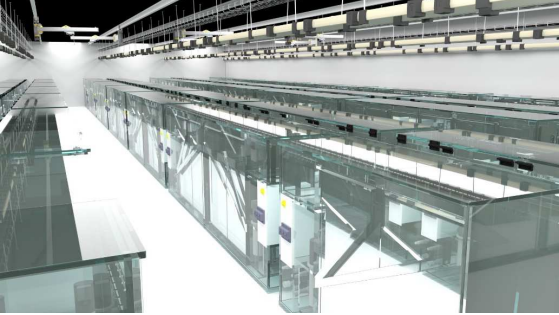
Improving Reliability and Performance
By providing reliable cooling, liquid cooling solutions also help to optimize infrastructure performance. Air cooling methods can struggle to keep up as CPU density increases, leading to thermal throttling and reduced performance. Liquid cooling eliminates this issue and ensures maximum performance from infrastructure.
Energy Efficiency and Sustainability
With its higher thermal transfer properties, liquid cooling provides improved energy efficiency compared to air cooling. This is further enhanced by the elimination of fans and the reduced energy consumption of pumps used in liquid cooling solutions. Additionally, liquid cooling provides a more effective way to reuse captured heat, making data centers more environmentally friendly and reducing their carbon footprint.
Maximizing Data Center Space
Liquid cooling solutions allow for greater data center density, enabling facilities to utilize their space more effectively. This leads to lower footprint facilities that can accommodate edge deployments even in physically limited spaces.
Advances in Liquid Cooling Technology

The liquid cooling market is constantly evolving, with new techniques emerging regularly. These include immersion cooling, cold-plate methods, and embedded microchannel cooling package techniques. Each of these methods offers improved cooling efficiency and increased performance, making liquid cooling a cost-effective and efficient choice for data center operators.
In conclusion, as the data center industry continues to grow and change, providers must embrace new technologies to remain competitive. Liquid cooling is a solution that offers numerous benefits, from improved reliability and performance to greater energy efficiency and sustainability. By switching from traditional cooling methods, data center operators can maximize their facilities and prepare for the future.